"Azolla as a Safe Food: Suppression of Cyanotoxin-Related Genes and Cyanotoxin Production in Its Symbiont, Nostoc azollae"
Original Article Published in
Plants 2024, 13, 2707.
Published September 27, 2024
https://doi.org/10.3390/plants13192707
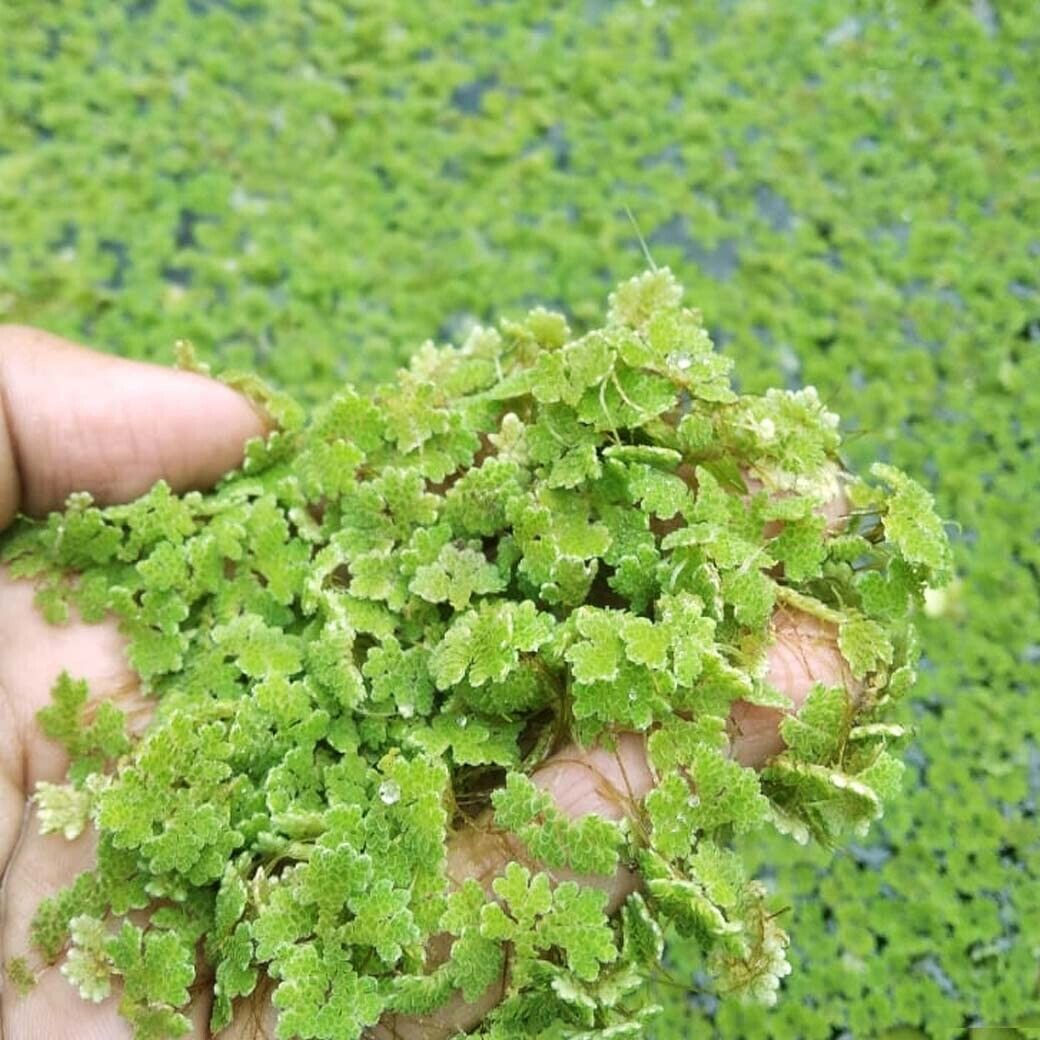
(Click/tap image for larger size.)
Azolla caroliniana
Authors
|
Jonathan P. Bujak The Azolla Foundation, Blackpool, UK |
 |
|
Ana L. Pereira University of Porto, Portugal |
 |
|
Joana Azevedo University of Porto, Portugal |
 |
|
Alexandra A. Bujak The Azolla Foundation, Blackpool, UK |
 |
|
Victor Leshyk Azolla Biodesign, Dedona, AZ, USA |
 |
|
Minh Pham Gia Hanoi, Vietnam |
|
|
Timo Stadtlander The Research Institute of Organic Agriculture, Switzerland |
 |
|
Vitor Vasconcelos University of Porto, Portugal |
 |
|
Daniel J. Winstead The Pennsylvania State University, USA Specified Author Contributions: Conceptualization, Formal Analysis, Investigation, Methodology, Visualization, Writing - Original Draft plus Review and Editing. |
 |
|
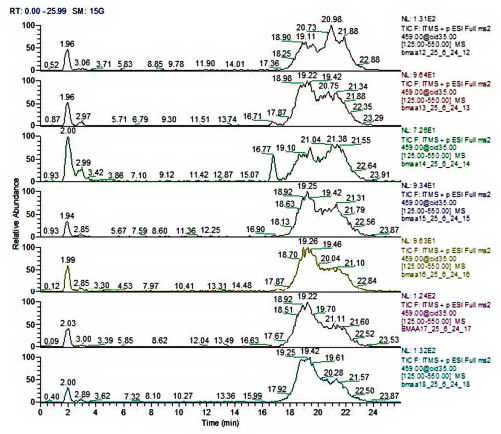
Abstract "Azolla therefore has the potential to safely feed millions of people due to its rapid growth while free-floating on shallow fresh water without the need for nitrogen fertilizers." The floating freshwater fern Azolla is the only plant that retains an endocyanobiont, Nostoc azollae (aka Anabaena azollae), during its sexual and asexual reproduction. The increased interest in Azolla as a potential source of food and its unique evolutionary history have raised questions about its cyanotoxin content and genome. Cyanotoxins are potent toxins synthesized by cyanobacteria which have an anti-herbivore effect but have also been linked to neurodegenerative disorders including Alzheimer’s and Parkinson’s diseases, liver and kidney failure, muscle paralysis, and other severe health issues. In this study, we investigated 48 accessions of Azolla–Nostoc symbiosis for the presence of genes coding microcystin, nodularin, cylindrospermopsin and saxitoxin, and BLAST analysis for anatoxin-a. We also investigated the presence of the neurotoxin β-N-methylamino-L-alanine (BMAA) in Azolla and N. azollae through LC-MS/MS. The PCR amplification of saxitoxin, cylindrospermospin, microcystin, and nodularin genes showed that Azolla and its cyanobiont N. azollae do not have the genes to synthesize these cyanotoxins. Additionally, the matching of the anatoxin-a gene to the sequenced N. azollae genome does not indicate the presence of the anatoxin-a gene. The LC-MS/MS analysis showed that BMAA and its isomers AEG and DAB are absent from Azolla and Nostoc azollae. Azolla therefore has the potential to safely feed millions of people due to its rapid growth while free-floating on shallow fresh water without the need for nitrogen fertilizers.
|
-----------------------------------------------